

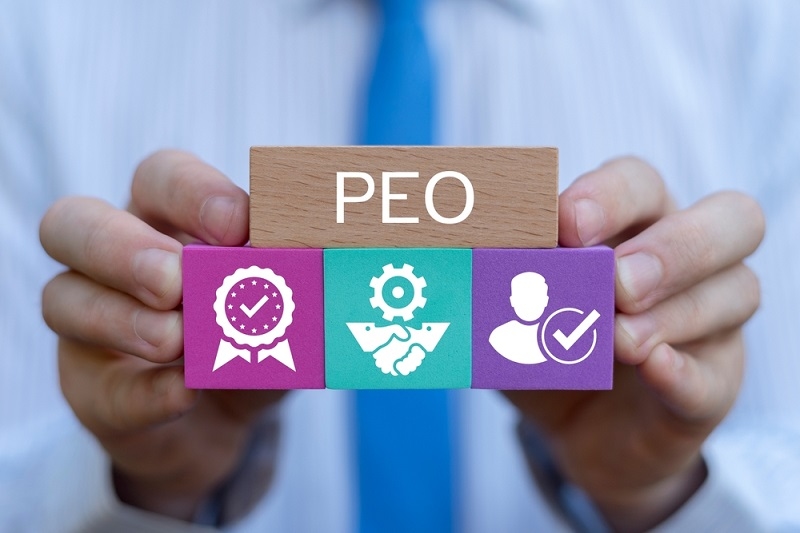
Most businesses hit a point where handling HR, payroll, compliance, and hiring starts eating into real work. This is where a professional employer organization steps in. The idea is simple. Instead of trying to manage every administrative task on your own, you partner with a team that already has the systems, compliance knowledge, and tools figured out. That team is the PEO.
A professional employer organization works on a co-employment model. It becomes the employer of record for tax and reporting purposes while you still control how your people work. You stay in charge of hiring, performance, culture, and operations. The PEO handles the back end. Companies use this setup to reduce risk, save time, and tap into better benefits without negotiating everything from scratch.
Let’s break down how PEOs work and why more growing businesses are shifting toward this model.
When you sign with a PEO company, both sides enter an agreement where responsibilities are shared. You continue managing day to day decisions. The PEO takes over technical tasks like payroll management, benefits administration, and government filings. This setup gives you support where most businesses struggle. It also protects you from the constant stress of compliance mistakes.
The model is sometimes described as employee leasing, but it is not about giving up control. You are not leasing workers. You are leasing expertise, systems, and compliance support. The employees still report to you. They still work for your company. The PEO only handles the administrative employer role. That separation is what makes the arrangement so effective for small and midsize teams.
Must Read: Master Business Budgeting: Best Tips for Financial Success
The value of PEO services comes from how wide the support range is. Instead of hiring separate vendors for payroll, benefits, insurance, compliance, and HR tasks, you get everything in one place.
Here is what most companies receive:
A PEO runs payroll from start to finish. It calculates hours, manages withholdings, handles tax submissions, and ensures compliance with federal and state laws. Payroll outsourcing through a PEO also reduces errors and eliminates manual work. Since the PEO is the employer of record, it files payroll taxes directly, which creates a cleaner and more reliable process.
This is where businesses save the most time. Through HR outsourcing, a PEO manages onboarding, employee handbooks, documentation, policy updates, performance tracking tools, and day to day HR questions. You get an HR partner without building an internal department.
One advantage of the PEO model is access to better health coverage and retirement plans. Because a PEO pools multiple businesses, it can negotiate better rates. Employees get stronger plans and you make your workplace more competitive without increasing costs. The PEO also manages enrollment, claims support, and compliance requirements.
Labor laws keep changing and most businesses do not have the bandwidth to track updates. A strong PEO company provides guidance on regulations, workplace safety, workers compensation, harassment policies, and audits. This reduces risk and protects you from penalties. It also gives your team confidence that every process is backed by expertise.
Many PEOs offer access to online courses, management training, and compliance programs. These resources help employees grow and keep your company aligned with HR best practices.
Explore More: Smart Financial Management: Key Tips for Small Businesses
The real benefit of working with a professional employer organization is efficiency. You cut out the clutter and focus on growth. Here are the biggest reasons companies make the switch.
Administrative tasks drain time and energy. A PEO handles the tasks that slow you down. With HR outsourcing and payroll outsourcing combined, you save hours every week and can put that time toward strategy, operations, or sales.
Hiring a full HR team is expensive. A PEO delivers the same support for a fraction of the cost. Because of the pooled benefits model, you also get stronger health plans without premium spikes. These savings add up fast for small and growing companies.
Employment laws are strict and easy to misinterpret. A PEO monitors every detail and files everything on time. It protects your business from errors, audits, and penalties. For industries with safety requirements, the PEO offers risk management support and workers compensation guidance.
People stay longer when benefits, payroll, onboarding, and policies run smoothly. Through PEO services, employees get quick answers, reliable pay schedules, and access to better benefit options. This makes a small company feel more established and professional.
A PEO company works for almost any business, but it creates the biggest impact in these situations:
A handful of employees can create a surprising amount of administrative pressure. A PEO gives you the structure you need without hiring a full HR staff.
When you are scaling fast, paperwork grows even faster. As roles multiply, you need help managing payroll, hiring, compliance, and benefits. A PEO keeps everything streamlined so you do not fall behind.
Once you hire in multiple states, compliance becomes complicated. Wage laws differ. Tax rules shift. Deadlines multiply. A PEO handles every state requirement so you stay compliant everywhere.
Construction, healthcare, manufacturing, and field operations benefit from a PEO’s risk management support. Safety training, incident tracking, and workers compensation are easier to manage through a shared system.
There are a few ideas about PEOs that create confusion. Here is what they really mean.
The PEO manages admin tasks. You still manage your people. This is not full employee leasing. It is shared responsibility.
In reality, small companies benefit the most. They gain access to premium systems without building everything themselves.
A payroll provider only manages paychecks. A PEO handles payroll, benefits, compliance, HR guidance, and risk. It is a wider partnership.
Also check: Investment Strategies to Help Business Owners Build Wealth
Picking the right partner matters. Here is what you should check before signing:
A good PEO should feel like an extension of your team. If the support feels slow or unclear, it is not the right fit.
A professional employer organization gives businesses a smarter way to manage HR, payroll, compliance, and employee support. Through employee leasing in the co employment model, you gain stronger systems without losing control of your team. A PEO cuts down administrative work, reduces risk, and upgrades the overall employee experience.
If you want a streamlined structure that lets you scale without extra stress, a PEO company can make that happen. With the right partner, you get clarity, compliance support, and peace of mind all in one place.
This content was created by AI